
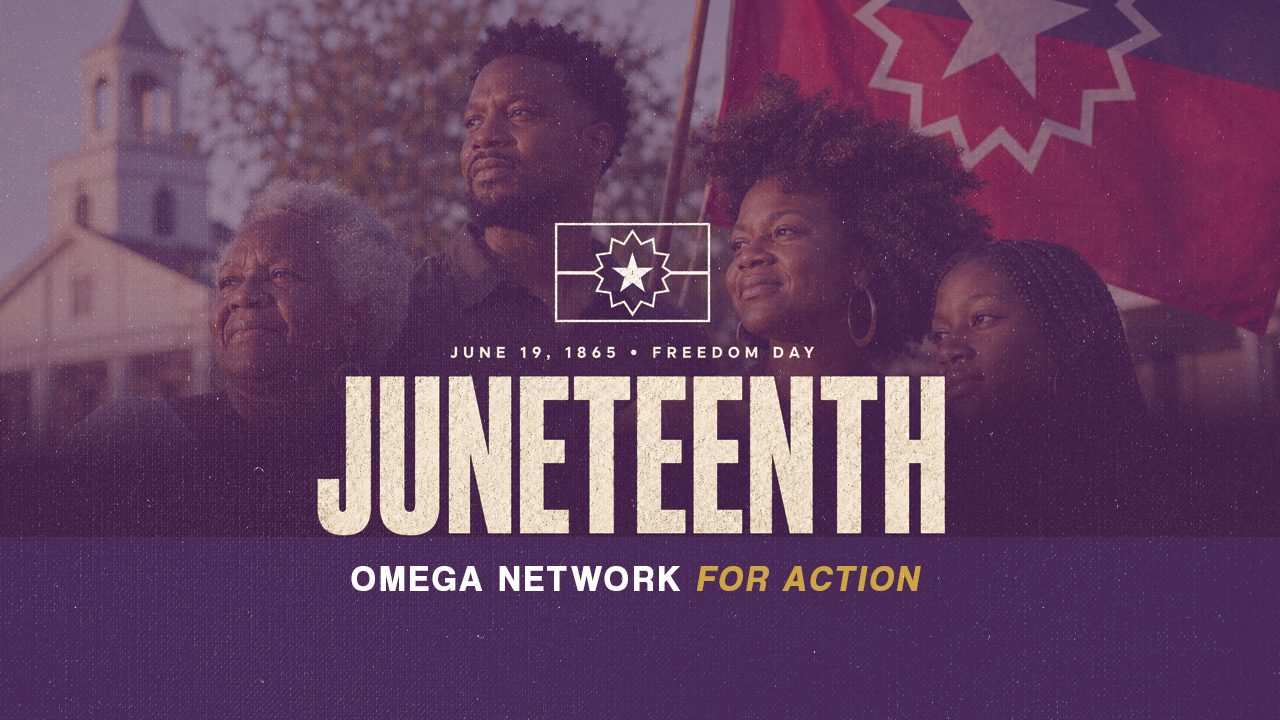
Juneteenth is more than a holiday. It is a national reminder that freedom in America has never been automatic. It has had to be declared, enforced, defended, and expanded by generations of people who refused to accept bondage, silence, or second-class citizenship as their destiny.
Observed each year on June 19, Juneteenth is the oldest nationally celebrated commemoration of the end of slavery in the United States. Although it became a federal holiday on June 17, 2021, its meaning reaches back more than 160 years into the lived experience of Black Americans. It is both a celebration of emancipation and a solemn reflection on delayed justice, racial violence, and the continuing pursuit of true equality.
Freedom Delayed
The history of Juneteenth begins with a contradiction at the heart of American freedom.
On January 1, 1863, during the Civil War, President Abraham Lincoln issued the Emancipation Proclamation, declaring that enslaved people in Confederate states were “forever free.” But the Proclamation did not instantly free all enslaved people. Its power depended on enforcement by the Union Army. Without the physical presence of federal troops, freedom remained a promise on paper rather than a reality in daily life.
Texas became one of the clearest examples of this delayed freedom. Because of its distance from major Civil War battlefields and limited Union military presence, slavery continued there long after the Emancipation Proclamation was issued. Many enslavers from other Southern states moved enslaved people into Texas, treating the state as a place where slavery could continue beyond the reach of federal enforcement.
For generations, a common myth suggested that enslaved people in Texas simply did not know they were free. The truth is more complicated and more painful. Many enslaved people likely heard news of emancipation through informal communication networks, often called the “grapevine.” But knowledge alone could not secure freedom when armed enslavers, local power structures, and violence stood in the way.
The turning point came on June 19, 1865, more than two and a half years after the Emancipation Proclamation. U.S. Major General Gordon Granger arrived in Galveston, Texas, accompanied by thousands of Union troops, including African American soldiers, to enforce emancipation. There, Granger issued General Order No. 3, announcing that “all slaves are free” and declaring “an absolute equality of personal rights and rights of property between former masters and slaves.”
That announcement brought legal freedom to approximately 250,000 enslaved people in Texas. It is from that day—June nineteenth—that Juneteenth takes its name.
Legal Freedom and Lived Freedom
Juneteenth is a celebration, but it is not a simple story. It reminds us that legal freedom did not immediately produce lived equality.
Even General Order No. 3 reflected the tension of the moment. While it announced freedom, it also encouraged formerly enslaved people to remain where they were and work for wages. For many, this led into sharecropping and other exploitative labor arrangements that replaced slavery with new forms of economic bondage.
The end of slavery also triggered violent resistance from those determined to preserve white supremacy. Newly freed Black communities faced intimidation, racial terror, restrictive Black Codes, and efforts to limit their movement, labor, voting power, and civil rights. Freedom had been declared, but the struggle to make freedom real had only begun.
Juneteenth also reminds us that emancipation unfolded in stages. The Emancipation Proclamation was a decisive wartime measure. General Order No. 3 enforced freedom in Texas. But slavery was not permanently abolished throughout the United States until the ratification of the 13th Amendment on December 6, 1865.
This history matters because it teaches us that rights must be more than words. They must be protected by law, enforced by institutions, and lived fully by the people.
Resilience, Memory, and the Power of Celebration
Despite oppression and violence, formerly enslaved people turned Juneteenth into an act of remembrance, resistance, and joy.
In 1866, just one year after General Granger’s announcement, Black Texans organized the first Juneteenth celebrations, often called “Jubilee Day.” These gatherings included prayer, speeches, music, food, processions, and community fellowship. They were not only celebrations of what had been won; they were declarations that Black life, Black dignity, and Black freedom would endure.
The Black church played a central role in preserving this memory. In Galveston, early Juneteenth processions connected civic space, faith, and community, including celebrations at Reedy Chapel AME Church. Across Texas, churches, schools, mutual aid organizations, and community leaders helped build institutions that supported newly freed people in the face of exclusion.
In Houston, leaders such as Reverend Jack Yates, who had once been enslaved, helped establish Freedmen’s Town and build institutions that served the spiritual, educational, economic, and civic needs of Black communities. These communities did not simply wait for freedom to be handed to them. They organized, built, taught, worshiped, voted, advocated, and created pathways for generations to come.
As Black families migrated from Texas to other parts of the country during and after World War II, they carried Juneteenth with them. What began as a Texas-based observance grew into a national tradition. In 1979, Texas became the first state to recognize Juneteenth as an official holiday. Decades later, through the advocacy of leaders and activists, including Ms. Opal Lee, widely known as the “Grandmother of Juneteenth,” Juneteenth gained national recognition.
A Flag, A Future, A Call to Action
The Juneteenth Flag, created in 1997 by Ben Haith and Lisa Jeanne Graf, captures the meaning of the holiday through powerful symbolism. The star represents Texas and the freedom of African Americans across the nation. The bursting nova signifies a new beginning. The arc represents a new horizon of opportunity. The red, white, and blue remind us that enslaved Africans and their descendants were—and are—Americans.
For the Omega Network for Action, Juneteenth is not only a moment of remembrance. It is a call to civic responsibility.
Juneteenth challenges us to examine the gap between the promise of America and the lived reality of its people. It reminds us that freedom requires participation. It requires voting rights, fair representation, economic opportunity, quality education, equal justice, and public policies that protect the dignity of every community.
The story of Juneteenth is the story of delayed freedom, but it is also the story of determined people who continued to move toward liberation even when the law, the culture, and the institutions around them resisted change.
As historian Sam Collins has noted through the words of Maya Angelou, “History, despite its wrenching pain, cannot be unlived, but if faced with courage, need not be lived again.”
Juneteenth asks us to face history with courage. It asks us to honor the ancestors who survived slavery, celebrated freedom, and built communities against impossible odds. It asks us to remember that freedom is not complete until it is real in every neighborhood, every classroom, every courtroom, every workplace, and every ballot box.
Juneteenth is a celebration of Black resilience. It is a tribute to the long road from emancipation to equality. And it is a reminder that the work of freedom continues.
On this Juneteenth, we remember. We celebrate. We organize. We act.
#OmegaForAction

