
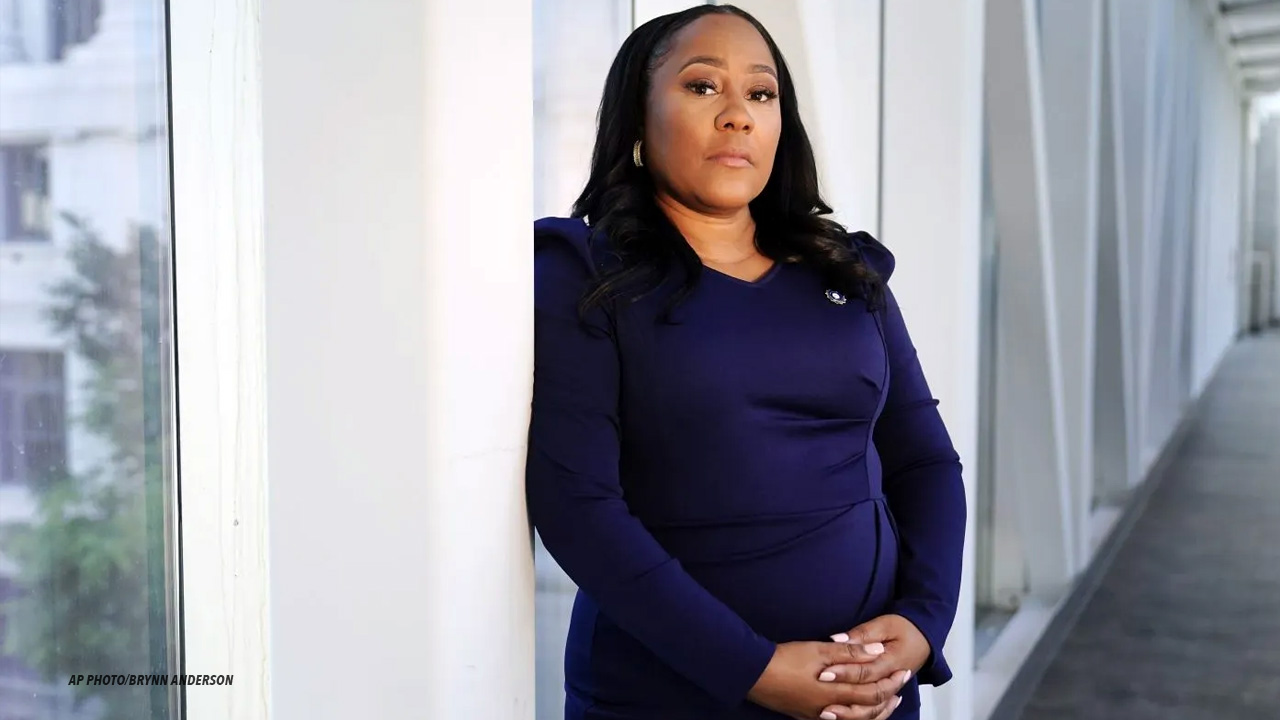
The Pressure on Power: Fani Willis and the Expanding Pattern of Political Retaliation
In Atlanta, the Georgia election interference case that once stood as a landmark in accountability now hangs in limbo. Judge Scott McAfee recently granted limited additional time for the Prosecuting Attorneys’ Council of Georgia to appoint a new prosecutor to replace Fulton County District Attorney Fani Willis, who was disqualified earlier this year from continuing the case. The judge set a firm deadline of November 14, signaling that the matter cannot remain unresolved indefinitely.
The case, which charged Donald Trump and 18 others under Georgia’s racketeering statute for alleged efforts to overturn the 2020 election, is among the most consequential legal actions in recent memory. Willis’ office brought the indictment in August 2023, arguing that the defendants engaged in a coordinated conspiracy to undermine Georgia’s democratic process. Now, with the case paused and awaiting reassignment, questions loom over whether it will proceed at all—and whether the prosecution can retain its original scope and strength.
Yet the uncertainty surrounding Willis is not an isolated incident. It fits into a broader national pattern where women—particularly Black women—who hold positions of legal and institutional authority find themselves facing disproportionate backlash after challenging entrenched political power.
A Broader Pattern: From Willis to James and Cook
Fani Willis, Letitia James, and Lisa D. Cook each represent different spheres of American power—law, politics, and economics—but share a common thread: their work has provoked intense political response, often followed by attempts to undermine their credibility or authority.
-
Letitia James, New York’s Attorney General, was recently indicted on federal charges following her successful civil fraud case against Donald Trump and his organization. The timing and nature of the indictment have fueled concerns about political retribution. Her response to the charges—“I will not bow. I will not break. I will not bend.”—has become a rallying cry against what many view as the weaponization of the justice system.
-
Lisa D. Cook, the first Black woman appointed to the Federal Reserve Board of Governors, has faced persistent attacks questioning her qualifications and independence. Despite her academic record and policy expertise, partisan critics have sought to discredit her through public campaigns and congressional scrutiny aimed more at identity than performance.
These cases, viewed together, illustrate a consistent narrative: when women of color exercise power in institutions historically dominated by others, their legitimacy is often challenged not through evidence of wrongdoing, but through heightened scrutiny, procedural obstacles, or politically timed investigations.
The Politics of Retaliation
In each of these situations, the mechanisms of accountability appear increasingly distorted. Legal and administrative processes—subpoenas, audits, ethics reviews—are being used not merely to ensure transparency but to punish dissent and discourage independence.
For Fani Willis, the disqualification has left a groundbreaking election interference case in jeopardy. For Letitia James, an indictment threatens to overshadow years of public service. For Lisa Cook, relentless criticism undermines the credibility of an institution meant to function above politics.
This pattern underscores a deeper challenge in American governance: when law and policy are used as tools of political vengeance, the boundaries of justice itself begin to erode.
Beyond the Headlines
Fani Willis’ next steps—and those of the council now charged with reassigning her case—will determine more than the fate of one prosecution. They will test whether accountability can withstand political interference, and whether those who seek justice can do so without fear of retaliation.
Across the nation, a troubling question lingers: Are women of color in power being held to a higher—and selectively enforced—standard of scrutiny?
As public trust in institutions wavers, the experiences of Willis, James, and Cook serve as a warning. When those who uphold the law become the targets of its weaponization, democracy itself stands at risk.
Their stories remind us that courage in public service often comes with a cost—and that the defense of justice requires not only fair courts but a fair society willing to see power challenged without fear or punishment.

